Understanding Sports Injuries and Ligament Injury
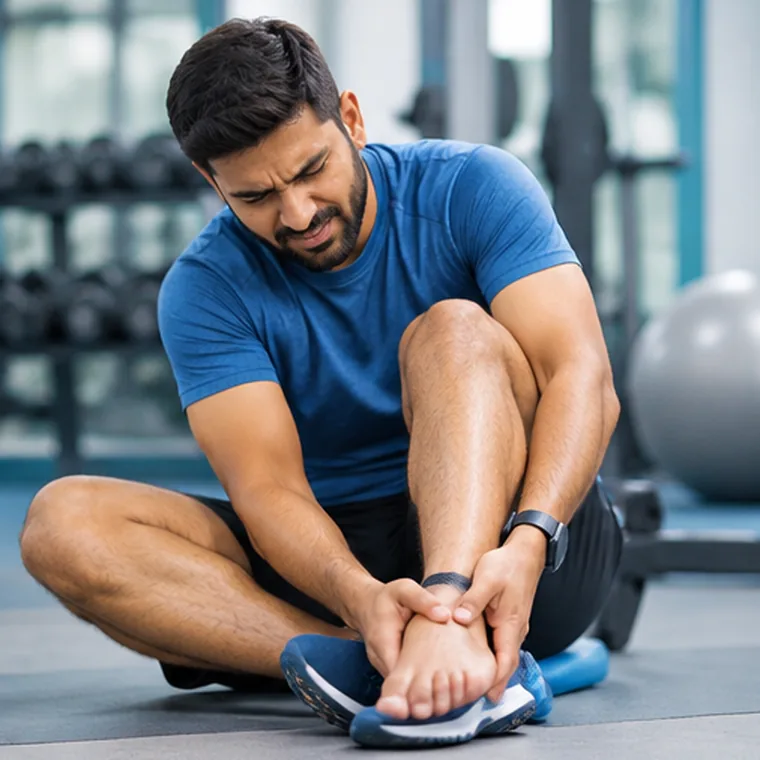
Sports Injuries range from minor strains to more significant damage involving ligaments, cartilage, or bone. Common examples include ankle sprains, knee ligament injuries, muscle strains, and meniscus problems. Symptoms vary according to the affected area and severity.
A Ligament Injury occurs when tissue connecting bones across a joint is stretched or torn. This may follow a sudden change in direction, twisting movement, or impact. Some injuries cause immediate pain and swelling, while others become more noticeable when the joint feels unstable during walking or exercise.
ACL Injury Symptoms and Warning Signs
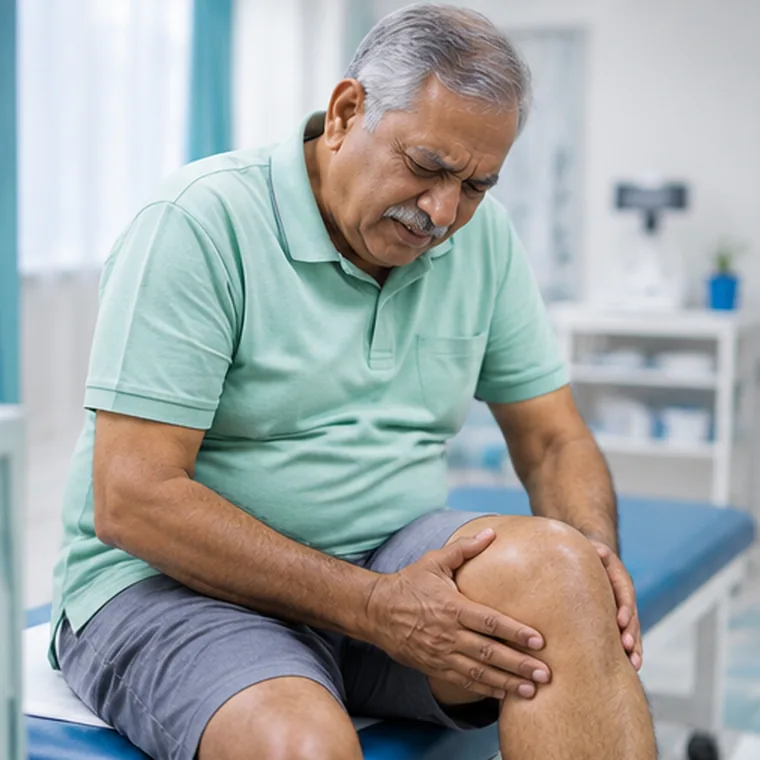
The anterior cruciate ligament, or ACL, helps stabilize the knee. Possible ACL Injury Symptoms include a popping sensation during injury, rapid swelling, reduced movement, and a feeling that the knee may give way. These symptoms do not confirm an ACL tear because other knee injuries can produce similar problems.
Important: Seek urgent medical care for an obvious deformity, an open injury, a cold or pale foot, or inability to bear weight after significant trauma. Avoid returning to sport before a potentially serious injury has been assessed.
What Happens During a Sports Injury Consultation?
A clinician may ask how the injury happened, whether swelling developed immediately, and which movements trigger pain. Examination can assess tenderness, joint movement, stability, and walking ability. X-rays or MRI scans may be considered depending on suspected damage.
If discomfort extends to the hip, information about Hip Pain Treatment can help patients prepare questions. However, examination is needed to determine whether symptoms come from the hip, knee, or surrounding tissues.
Sports Injury Treatment and Recovery
Sports Injury Treatment depends on the diagnosis and the demands of everyday activity. Management may involve temporary protection, appropriate support, rehabilitation exercises, or supervised physiotherapy. Medication may be discussed when suitable. Some severe ligament or cartilage injuries require specialist discussion of surgical options, but surgery is not necessary for every injury.
Recovery involves more than waiting for pain to disappear. Strength, balance, movement, and joint confidence may all matter before resuming demanding activities. Return to sport should reflect individual recovery and professional advice.
Preparing for Sports Injury Consultation in Etah
Someone searching for a Sports Injury Doctor in Etah should bring available X-rays, MRI reports, prescriptions, and earlier treatment records. Explain the injury mechanism, symptoms, and activities you hope to resume. Patients also seeking a Knee Pain Doctor in Etah can mention any knee instability or repeated swelling.
For appointments, it may help to note whether symptoms improved with rest, whether a brace was used, and whether pain has changed over time. These details can support a clearer discussion during initial evaluation.
Confirm consultation timings and appointment availability with Mascot Hospital and Trauma Centre before visiting.